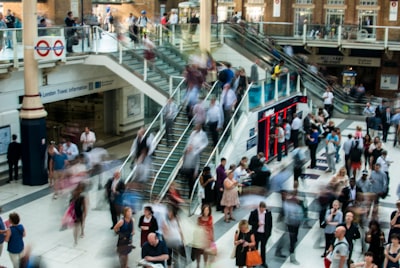
Why Micro‑Events and Onboard Retail Thinking Are Converging in 2026
Micro-events are now a mainstream channel for conversion. This analysis explains how airlines, stadiums and retail brands can combine pop-ups with onboard retail thinking to boost marginals.
Why Micro‑Events and Onboard Retail Thinking Are Converging in 2026
Hook: Micro-events used to be an activation tactic. In 2026 they’re a revenue channel. Brands that think like onboard retailers — curated, time-limited, high-conversion — win attention and margins.
Context: the micro-event renaissance
Post-pandemic consumer behaviours matured into preference for local, live, and intimate experiences. Organisers learned to monetise not just tickets but moments — and airlines, transit hubs and retail spaces began applying onboard retail principles (limited inventory, context-aware offers) to pop-ups.
See the argument in Opinion: Why Micro‑Events and Onboard Retail Thinking Are Converging in 2026 which explains why airlines and retail are applying similar economics.
Three commercial levers to monetise micro-events
- Limited-run product assortments: Scarcity drives purchase urgency — curate 6–8 SKUs for each pop-up with clear margins and replenishment rules.
- Contextual pricing: Use dynamic offers tied to local footfall windows. But beware the policy risks described in Breaking News: New Guidelines Proposed for Dynamic Pricing — transparency and fairness are now regulatory considerations.
- Omnichannel fulfilment: Sell at the event, fulfil from micro-warehouses or next-day from central stores — the experience should feel instantaneous.
Case study: a campus-night-market approach
We ran a pilot for a lifestyle brand that combined a campus-night-market pop-up with a promotion funnel. They used the Campus Events & Night Markets guide to source local food partners and sustainability best practices. The results:
- Average basket size increased 42% during evening hours;
- Repeat purchase rates for attendees went up 18% after 30 days;
- Onsite social content generated sustained e-commerce traffic for 10 days post-event.
Designing offers like onboard retail
Onboard retail succeeds because it matches product form, time horizon, and buyer mood. Apply these steps:
- Design a time-limited catalogue tied to event slots;
- Train brand ambassadors on conversion playbooks that echo cabin crew sales techniques (short pitches, clear CTAs);
- Use instant fulfilment or local click-and-collect options to capture conversion without friction.
Safety, regulation and sustainability
New live-event safety rules in 2026 are reshaping pop-ups. For organisers, compliance is now a line item — read the analysis in News: How 2026 Live-Event Safety Rules Are Reshaping Pop-Up Retail and Local Markets. Sustainability also matters — partnerships with local suppliers and circular packaging reduce friction and increase brand goodwill.
Customer experience and community impact
Micro-events should be designed as community builders. Case studies like Customer Experience Case Study: How Pop-ups & Local Leagues Boost Engagement show that local leagues, micro-sponsorship and loyalty tie-ins multiply the long-term impact of single-night activations.
Measurement framework for commercial teams
Track these metrics for each micro-event:
- Net margin per attendee (including staffing and logistics);
- Attribution uplift to primary e-commerce channels by cohort;
- Lifetime value (LTV) delta of attendees vs non-attendees;
- Social reach and earned media value per event.
Micro-events are short windows for long-term relationships. Treat them as acquisition channels with post-event follow-ups.
Operational checklist for launch
- Define the catalogue and margin targets;
- Secure vendors and permits, align with safety guidance;
- Plan fulfilment routes and returns procedures;
- Create post-event nurture flows and measurement dashboards.
Further reading
- Opinion on micro-events and onboard retail — industry perspective;
- Campus & night markets — operational tips for local pop-ups;
- Live-event safety rules — compliance considerations;
- Customer experience case study — engagement lift examples;
- Late-night pop-up bars design playbook — design and social content tips.
Summary: In 2026, micro-events are a hybrid between marketing and retail. When designed with onboard-retail discipline, they deliver short-term margins and long-term loyalty. Start with a tight catalogue, clear fulfilment, and robust measurement.
Related Topics
Priya Malhotra
Head of Product Growth
Senior editor and content strategist. Writing about technology, design, and the future of digital media. Follow along for deep dives into the industry's moving parts.
Up Next
More stories handpicked for you

Scaling Cloud‑First Operations: Remote Onboarding, Cost Control and Governance for SMBs (2026 Playbook)

Managing Legacy Document Storage & Edge Backup for Compliance (2026) — Patterns That Work
